The Power of Community

I think there are times in all of our lives when we can feel disconnected from one another & it’s easy to overlook the power & positivity of community.

Sore Spots is a community-minded clinic in that we are members of the community & we also are care providers for our community.  Dealing with patients on an individual, in-depth level everyday gives us a unique bird’s eye view of the world & keeps us mindful of the social & economic elements at play when it comes to the collective health of our society.  

As many of you know, our clinic is next door to what was previously the DoubleTree Dartmouth Hotel which had been acting as a shelter since early 2020 for overflow from various shelter supports across HRM.  Now this facility has been officially transitioned to ‘The Bridge’ ~ a shelter facility with wraparound medical supports.  While a large shelter of 200 hotel rooms is not an ideal model to address the unhoused population in our community, it is a short term measure currently used to help fill the homeless & emergency medical gap by the province.  This facility aside, the lack of supports for houseless people has presented challenges for our business & neighbourhood as well as the surrounding neighbourhoods.  We are asking our community of clients to stay supportive of our clinic & engaged with your downtown districts. 

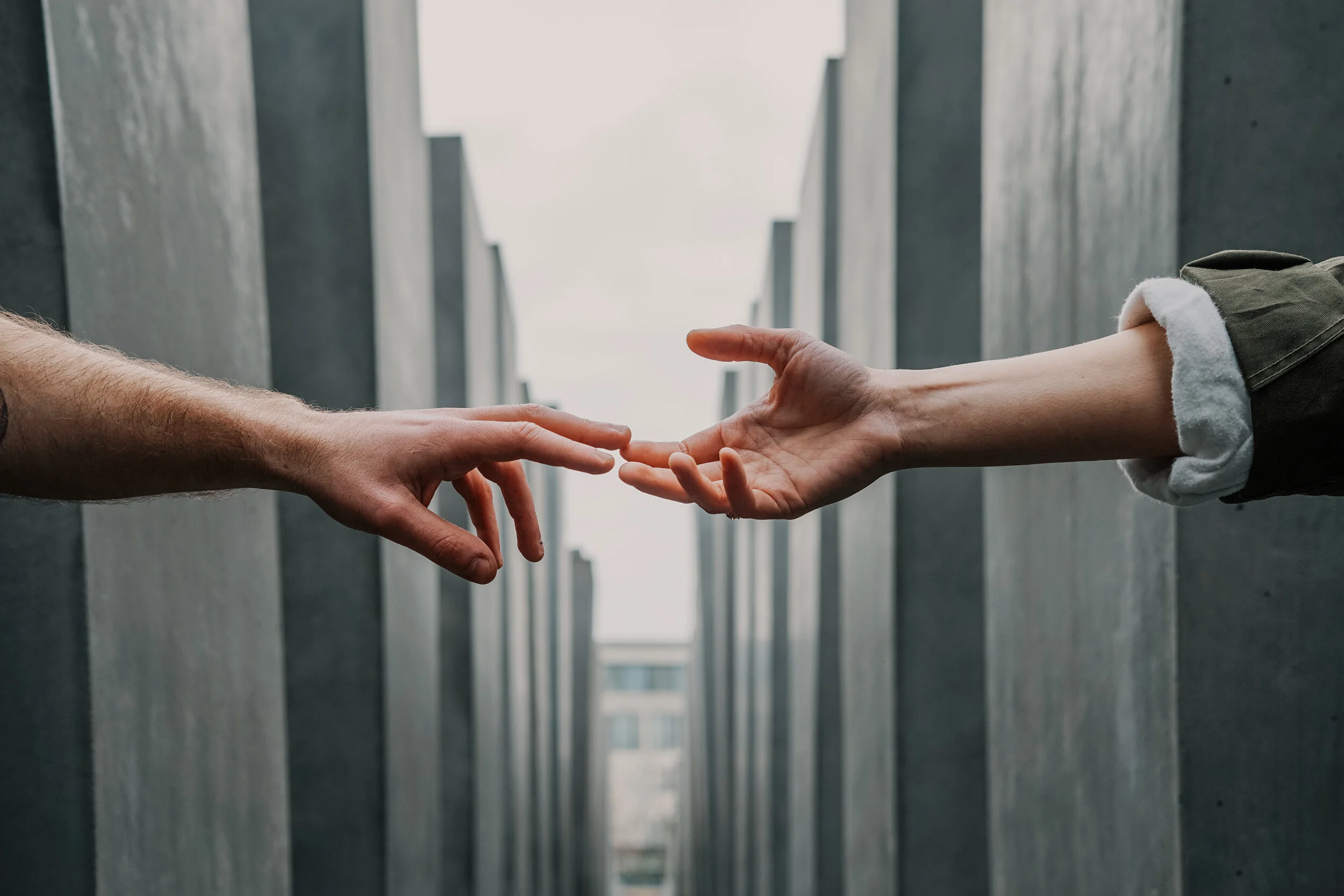
The growing unhoused population in Nova Scotia is an issue that is intricately woven into the fabric of our society. This is an expanding issue that hits very close to home. These are our neighbours, our family members and our friends. For this reason I feel it is important to speak up, as there is power in the collective voice. It is our hope that in spreading awareness, we can spread compassion.  

In 2019, Halifax started to see a large upward trend in the number of individuals experiencing homelessness and home insecurity. As reported in April of 2019, 106 individuals were reported as being unhoused. This number has since increased to 930 individuals as most recently recorded on June 27th, 2023 (AHANS, 2023). That's an increase of 777% in 4 years.

Home insecurity is not going anywhere. As a community we need to keep this issue cradled carefully at the forefront of our minds & heart.  We know it can be so easy to walk past someone blindly or ignore a friendly hello while walking down the street or passing by to enter our clinic.  We want to challenge you to walk in warmth & whenever you may pass by someone affected to use these silent street exchanges as an opportunity for quiet reflection on the humanity of homelessness.  

Perhaps there’s an element of this "that makes me uncomfortable".   At this time, imagine yourself in outside shoes.  For many, being homeless was or is a slippery slope & closer than we think.  Showing up to really ‘see’ this issue may be uncomfortable, but being uncomfortable is part of how we grow. To see a change, we must be the change. We encourage you to spread awareness in your close circles of families, friends, and colleagues & maintain compassionate conversations. Read more and educate yourself on the topics that so closely impact our communities.

NDP Leader & MLA for Dartmouth South, Claudia Chender, speaks out about the changes in this newsletter and shares her concerns in another blog post blog post that you may find informative for continued reading.  From our perspective, to work towards healthier homing for all humans, there needs to be dimensional supports that go beyond blanket, short term measures.  36% of individuals across Canada have personally experienced homelessness or know someone personally who has. This issue is not something to glance past, but rather something to stay curiously informed about, seek opportunity to expand your viewpoint & support those with ideas that align with the health of the whole community.

Written by Jamie Lynn Chediac, RMT/Owner of Sore Spots Massage Therapy with contributions by Courtney Olmstead, RMT & Erica Cherry, AT.

Special thanks to Sue Siri for use of her photos in association with Shelter NS.
Fall in ❤️ with Dartmouth, NS

Hi Dartmouth, I love you. Let me count the ways…

First of all….

You’re a little city home to 23 lakes! Outdoor water fun all within walking distance from a ferry drop or a bus ride. Outdoor living at it’s best exists in your natural oasis of adventure. You’re the City of Lakes & a favorite for down to earth, family friendly, outdoor loving folk.  

Second of all…

You’re home to the oldest saltwater ferry in North America & the 2nd oldest in the world. Bragging rights indeed.

Third of all…

You are the artiest of them all. We can promenade your streets, wandering in & out of boutiques. Following a guided art walk, I feel like I’m on a secret scavenger hunt, never knowing what I’ll discover.

______________________

You need not take our word for it though…..the Globe & Mail recently (June 23rd, 2023) touted Downtown Dartmouth as one of 7 coolest neighbourhoods in Canada & no surprise to us 😜 ~ Downtown Dartmouth aka ‘the Darkside’ made the list! Referenced as the ‘little Brooklyn’ of Halifax, there are so many businesses, organizations & people that make this charming little city a vibrantly welcoming place relax, shop, walk & bop.

Barefoot VS. Hands-On

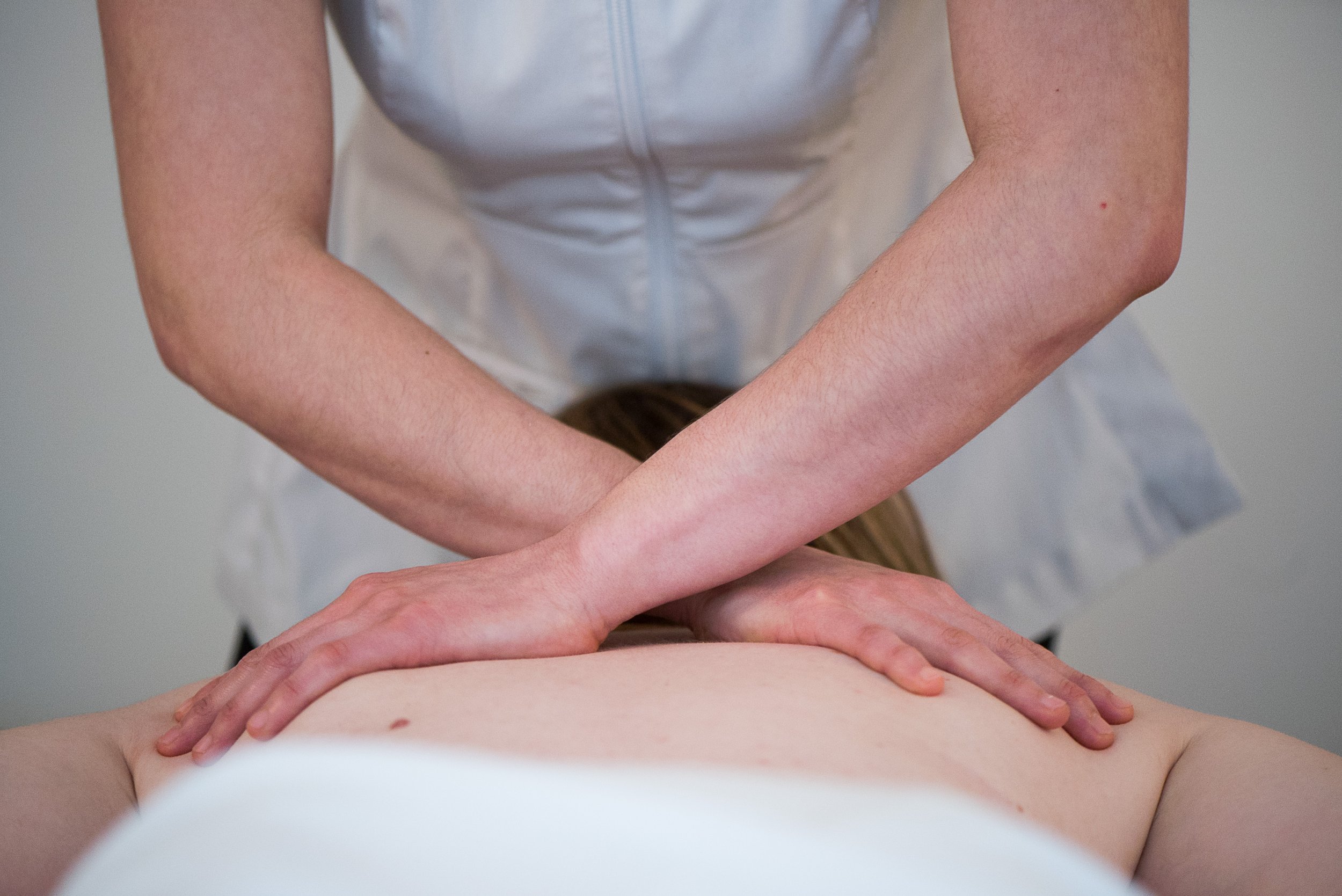
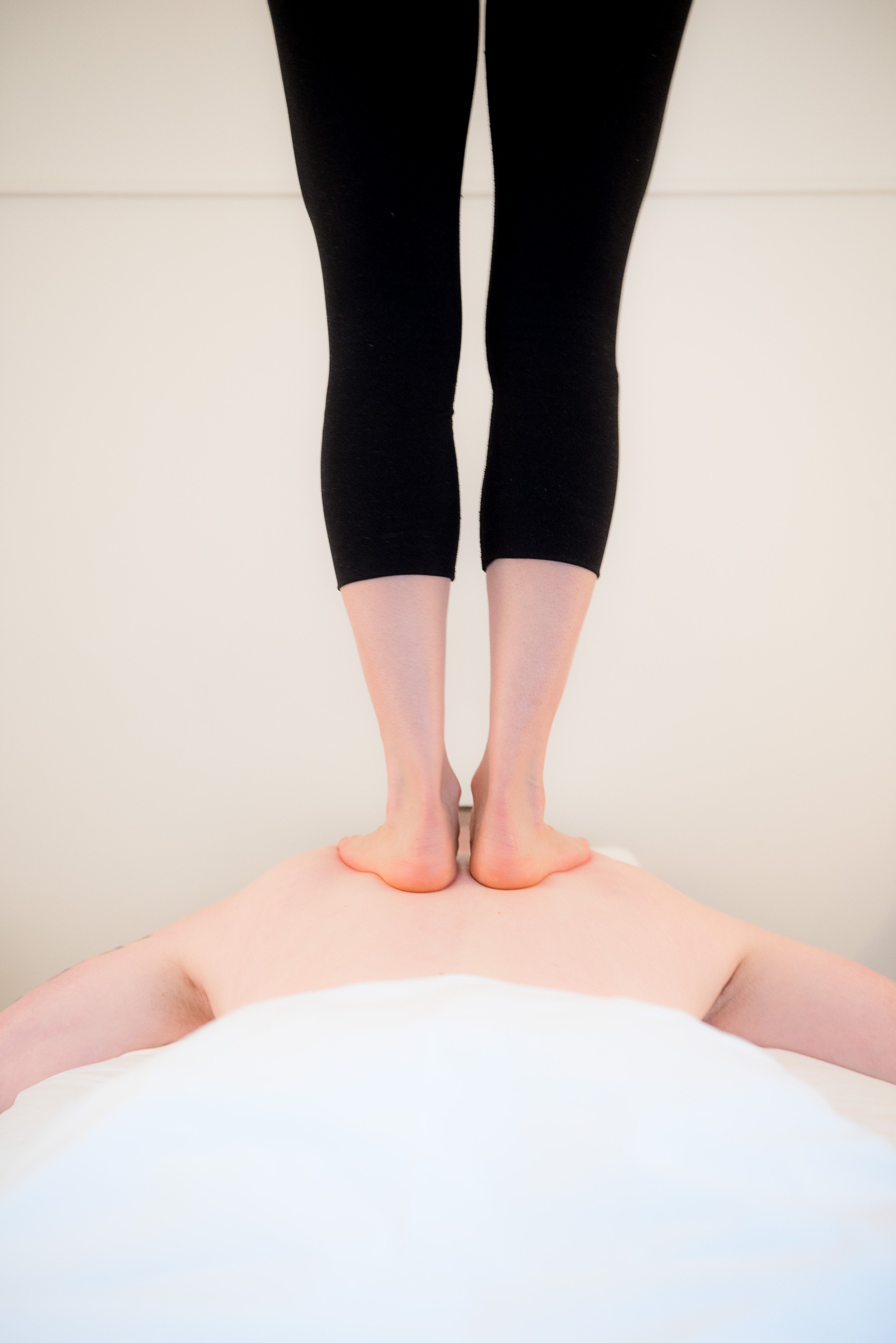
Barefoot Massage Therapy

While barefoot massage therapy CAN be a deeper form of treatment, it’s not always….

  • barefoot work is broad, so it allows us to deliver more static pressure where you feel more of your tissue being engaged at once

  • for some people who don’t love deep tissue, they simply love barefoot because it often allows them to feel pressure with out pain

  • just like with any hands on treatment, barefoot RMT’s have a wash station that allows them to cleanse both their hands and their feet before & after every treatment

  • barefoot is simply uncomparable to hands on therapy ~ you can expect depth to treatment but nothing like you’ve ever experienced before

Hands-On Massage Therapy

All of our therapists continue to skillbuild their hands-on strategy….

  • hands on work can be ‘pokier’ for some

  • techniques may incorporate work with both oil & dry contact

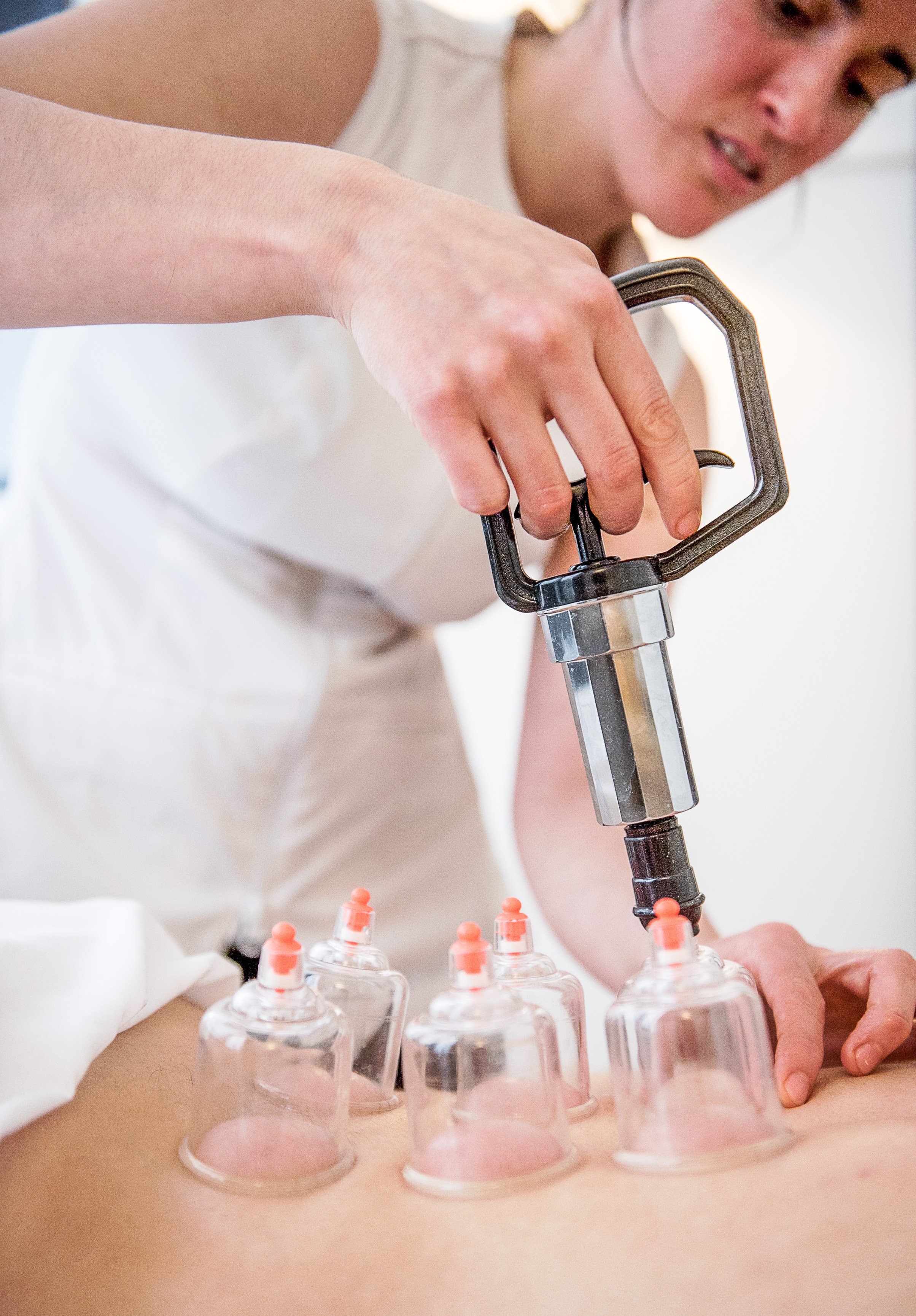
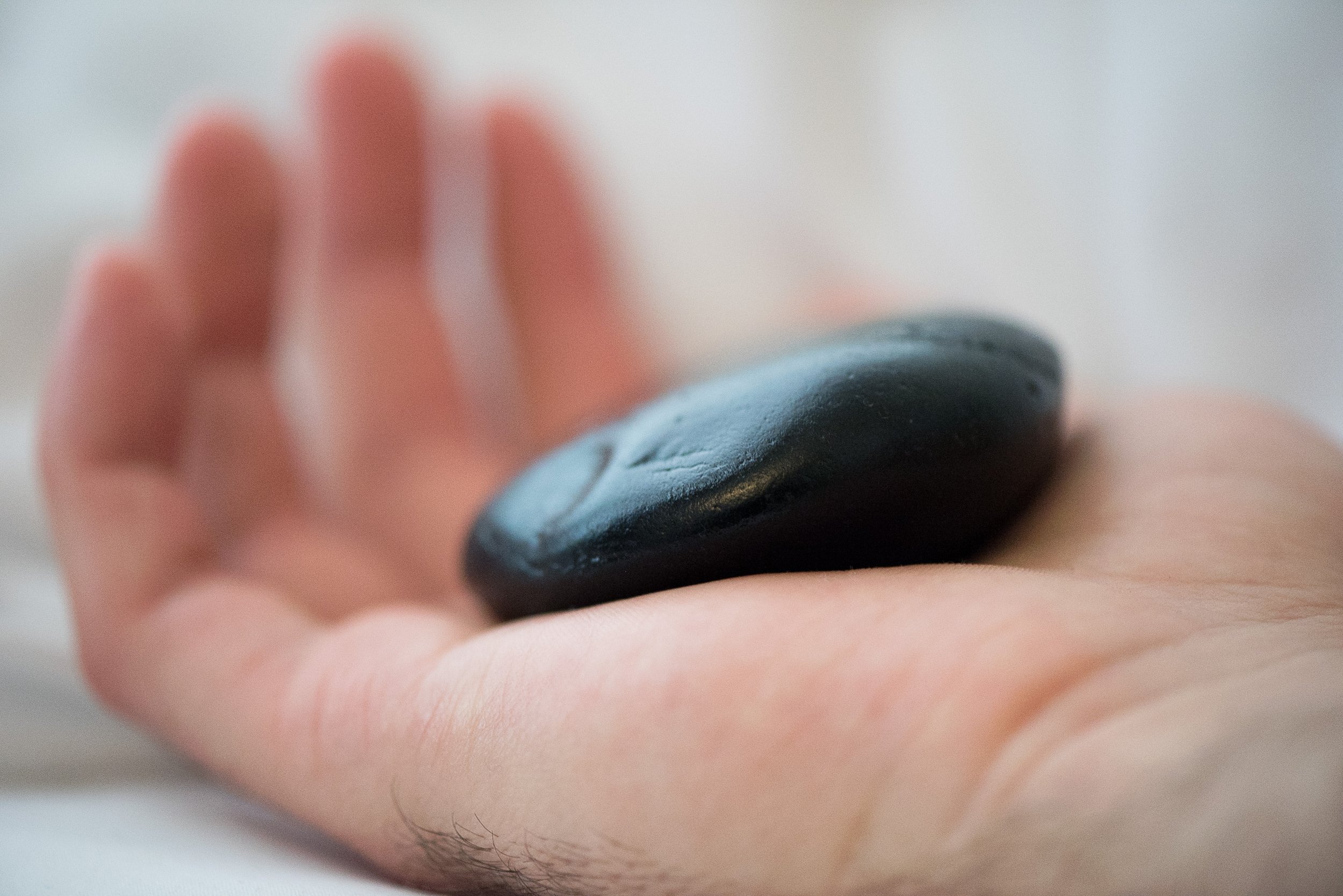
  • within the context of hands-on work, hydrotherapy, hot stones as well as cupping therapy is more easily integrated for the working RMT

  • hands on work is great for digestive, hip flexor strain issues as well as TMJ & scalp related tensions

a favorite DIY: bath bombs

Taking baths is a great way to unwind, soothe achy muscles & offer your nervous system a serious reboot.

Of course, an epsom salts bath is often recommended post massage here at Sore Spots. According to the Epsom Salt Council health benefits range from treating skin conditions, flighting off seasonal colds & flu as well as soothing tired & achy muscles. The general recommendation is to utilize about 2 cups of epsom salts in your bath water & soak for about 10 minutes.

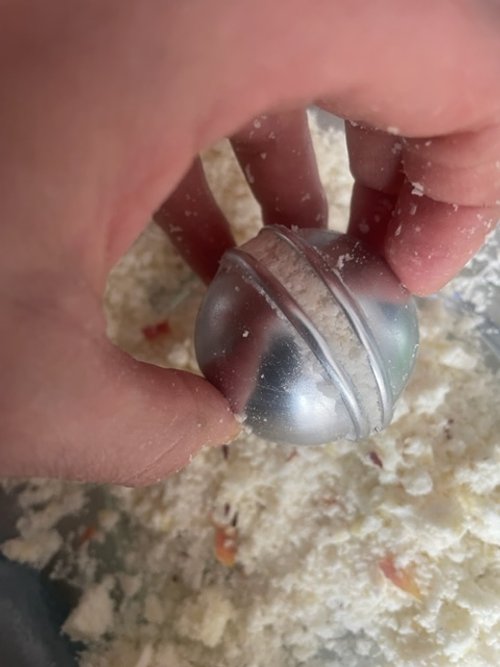
One of our favorite ways to enjoy a touch of epsom salts & relax in the tub is by utilizing a bath bomb. They are super easy to make at home & can be a fun rainy day activity with kids.

Here’s a recipe we suggest:

Baking soda ~ 1 cup

Epsom salts ~ 1/2 cup

Cornstarch ~ 1/2 cup (you may substitute arrowroot or tapioca flour, but their ‘holding’ capacity is not as strong as cornstarch ~ so they are great for silicone moulds but not great if your shaping ball bombs)

Water ~ 2 tablespoons

Oil (olive, jojoba, grapeseed, almond or melted coconut oil) ~ 3 tablespoons

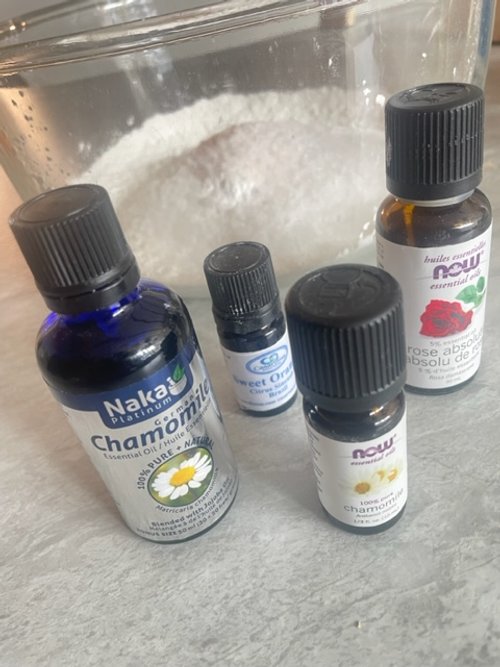
Essential oils ~ 2 teaspoons

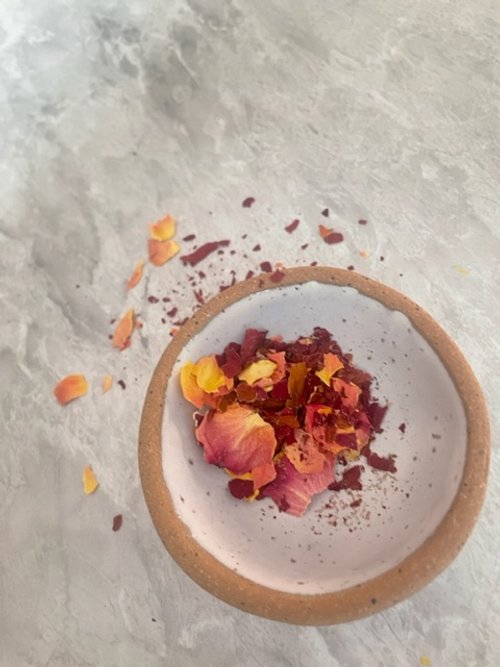
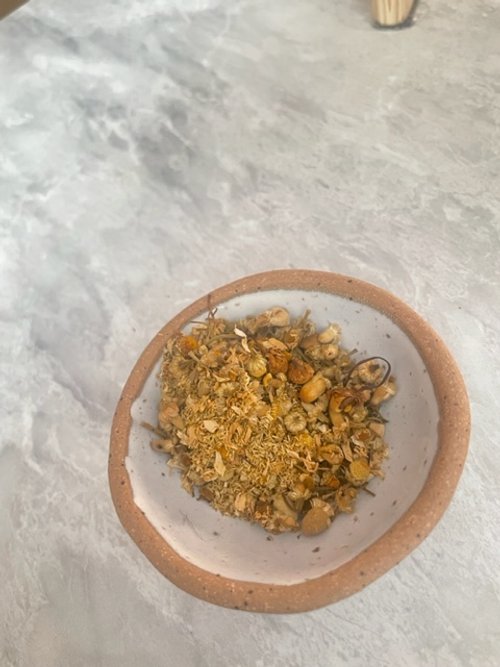
Dried flowers (optional but if used should be ground up)

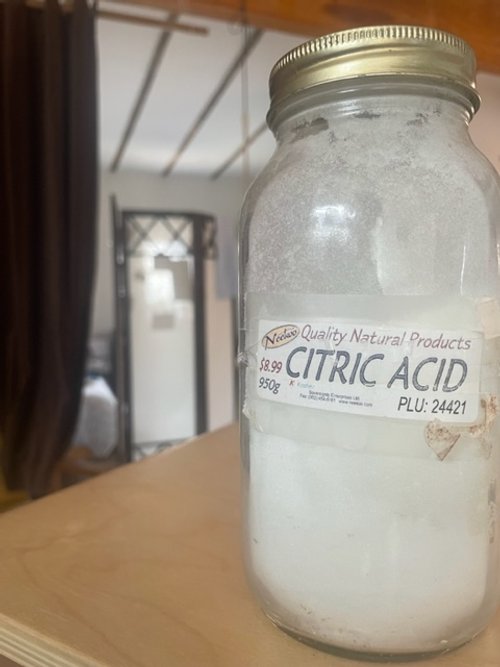
Citric acid ~ 1/2 cup

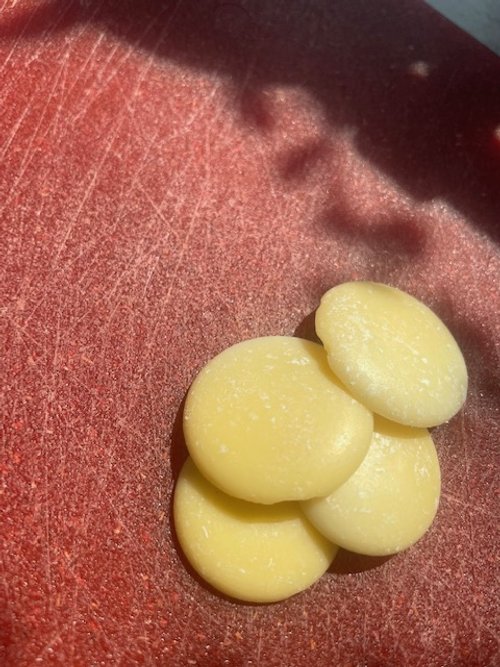
Optional: 4 cocoa wafers chopped up, these can add a creamy, hyper-moisturizing effect to your baths….a little goes a long way, just make sure you shred or chop finely so they don’t affect the ‘clumping’ ability of your bath bombs when they are curing.

Directions:

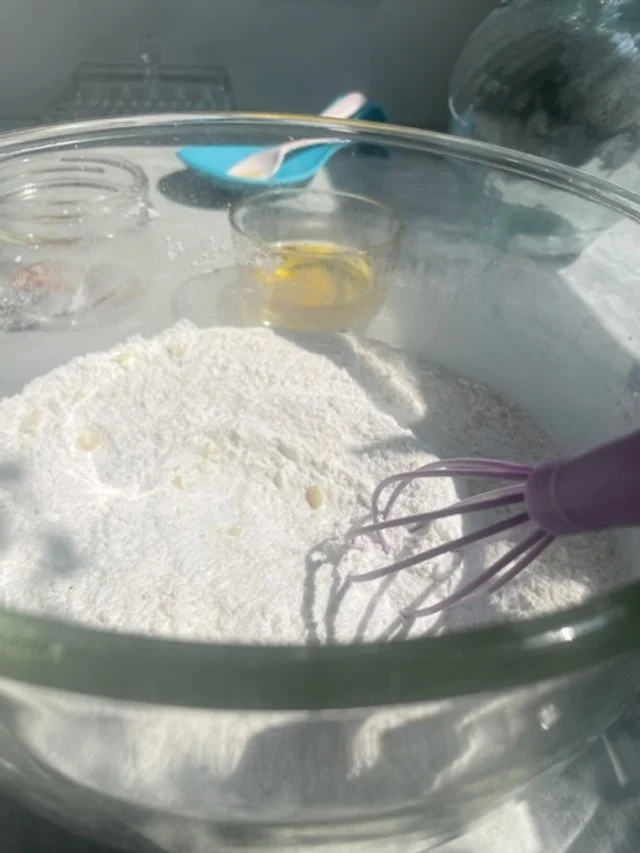
  1. Whisk your baking soda, epsom salts & cornstarch.

  2. Next use a small jar with a lid to add your water, carrier oil & essential oils then secure the lid on & shake for 10 seconds.

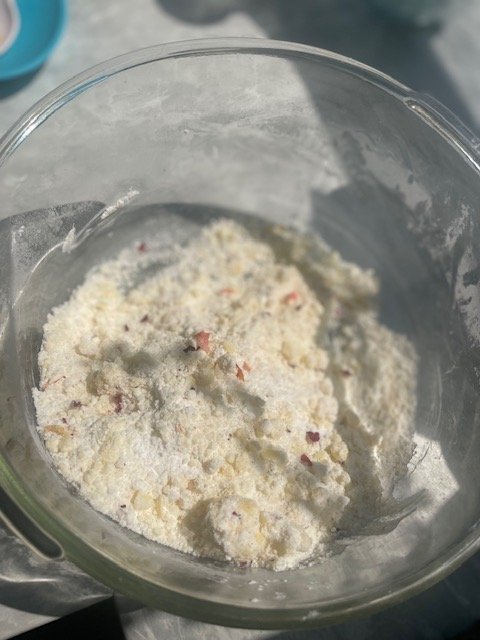
  3. Add the liquid to the dry bowl & hand mix until you have evenly distributed the wet in the dry ingredients. At this point you should have a ‘crumbly’ sort of texture that feels more on the dry side.

  4. NOW, add the citric acid. It is VERY important that you add the citric acid as the last step. If the citric acid is added before the liquids than the liquids could activate the ‘bubbly foam’ action to release and your bath bomb will dissolve with little fan fair when your ready to utilize for bath time.

  5. Utilize a ‘bath bomb’ mould to make perfect rounds or try silicon moulds. If you are using silicone moulds than you will have to leave your ‘bomb’ mix in the mould for a day to allow it to cure before removing. Either way, bath bombs should air dry for a day before using. This will allow them to dry & stabalize their form to prevent breakage.

  6. Take a bath & enjoy the aromatic & ceremonial element of adding a home made bath bomb to your time in the tub.


10 tips for your next massage

it’s all about the little things when it comes your massage therapy experience. we are keen as a clinic to ensure your comfort & therapeutic care here at Sore Spots is top notch. here are a few things for you to keep in mind when receiving massage therapy on our tables.

Breathe. Breathing from your diaphragm will be the minimum amount of work we require from you.

Breathing mindfully can alter your perception of pain, increasing your sense of well-being & enhances the circulatory effect of massage.

Feel tension while breathing deep? Tell your RMT. They can provide breath work coaching & treat tight muscles that restrict breathing with depth.

Pre-book & schedule strategically. Many of our RMT’s book 1-8 weeks in advance. We suggest shoring up your next appointment with your preferred therapist, day & time by setting something up on a monthly basis. If your not ready at the time of your appointment or find there is a conflict, rescheduling with a minimum of 24 hours notice is welcome. On a side note, often day-time appointments can be more available and evening spots harder to come by. So taking some time away from work for a ‘medical appointment’ is quite common among our client base. Many people find the medical benefits of massage therapy an integral part of their mental and physical health. So be sure to carve out time for your care when it is most convienant & realistic for you to a) receive the care you want & b) that you will be able to disconnect for a mini 1 hour vacation from either work life or home life.

Communicate. Your RMT will always prompt for feedback throughout your treatment. At any given point, you are also welcome to provide feedback on any specific technique or just generally how your feeling during a session. We are here to help you and your honest feedback is a practice in advocating for your body. If the pressure is too deep, please say so and if it’s not deep enough, yes….let’s have a conversation about that too. As massage therapists, we really do want to know how massage is affecting you during and after sessions. We want to ensure what we say & talk about during treatment is of service to your healing. While your massage therapist loves to hear about aspects of your life outside of your body based pain, we really are most interested in how to assist you therapeutically….so if your a talker, please do allow for a practice of quiet during your session. Your RMT will also guide you in breathwork at times which will make this easier to do.

our RMT’s will use an analog pain scale to gauge your perception of sensation during treatment

Food & drink. Ideally, you’ve eaten well the day of your massage….but not too well. It may be uncomfortable to lie on a belly full of food so play it safe in the meal planning & digest accordingly. While your at it, stay hydrated but watch that you don’t consume a marathon of water prior to your session. Having a full bladder for the last 10 minutes of treatment will ruin a good massage. On a side note, you can always ‘toga up’ and use the washroom during a treatment. On the subject of ‘drink’, please avoid over indulging in alcoholic beverages the day before your appointment and if your planning on drinking in the hours after a massage know that massage increases circulation and any alcohol consumed could hit the bloodstream a little faster than usual so do consume mindfully.

Mr. Sun. Please wear sunscreen & shade. It’s awful to see sunburns on our clients during the spring, summer & early fall months.

May is Sun Safety month & the Dermatology Association of Canada has guidelines for sun exposure & sunscreen application for everyone with specific notes for babies & seniors.

Please do take a moment before the hot sun of the Summer hits to review.

Drugs. Especially pain relief drugs like Tylenol or Advil that have not been prescribed by a doctor. If your coming to a massage treatment because of soft tissue or joint pain than it is ideal that you are coming with an unaltered sense of how that pain is feeling in the current moment. On a cellular level, your natural inflammatory response can contribute positive to your healing process - click here to read a recent CBC article about the latest research findings concerning the use of NSAIDS & current usage suggestions. Pain relief drugs alter your perception of pain and we need your ability to perceive discomfort to stay in tact as much as possible so as to ensure we provide a safe & of course, pain relieving treatment.

You don’t have to be naked. Essentially, we may only need to have bare skin contact to your areas of concern. However, we can also simply work through your clothing and in some cases, as RMT’s we may actually prefer working through the cloth of what you’re wearing for added grip or for the initial start to treatment.

Be sure that any clothing that remains on during a draped table treatment feels comfortable and unrestrictive (i.e. you can wear your jeans in the case of an upper body treatment, but don’t wear your belt so that it’s digging into your waistline etc). Also, feel free to undress entirely if that allows you to feel more relaxed.

Your therapist will still be following our industry standards & ensuring drape lines are secure as well as only undraping the area we are working on at any given time during treatment. In the interest of talking about clothing, there are other things on your body like watches and jewelry - don’t forget to remove those! Worried about greasy hair lines - be sure to let us know & if you are wearing a tight poney tail or lots of hair pins, please communicate to your RMT if it’s ok to loosen or release those accessories from your scalp. Effective scalp & jaw treatments that may be helpful for things like TMJ or the treatment of headaches require us to work through hair & having overly tightened hair fixtures in place may prevent us from thoroughly attending to this concern. & for the record, leg hair, arm pit hair, any body hair really….we don’t care! No need to apologize or even mention the fact that you did or did not shave etc.

Know your insurance. The good news is……you have health insurance that covers massage therapy treatment. The bad news…..you may not have the coverage that pays for all the treatment you need or would like to receive in the run of a year. So please do look into the details of your coverage. Do you require a doctors note for direct billing? Do you have a co-pay amount or an initial annual deductible? When does your policy year end? Is your massage therapy coverage lumped in with other extended health services (like chiro or physio)? Or is it seperate in it’s own category? Do you have a secondary plan that you can submit to after your primary plan runs out? You don’t need to know everything, but check in on the details of your plan every so often &/or call the 1-800 or 1-888 # on the back of your card. We have an extended information page around ‘direct billing’ for our clients so please do click here to read more.

Exercise. We recommend to take it easy after your massage session. Let us know if you plan on excercising afterwards. This may alter our approach & can affect your performance. There are sports related massage techniques that can enhance your physicality but the timing of these types of techniques is very important.

Generally speaking with massage therapy we are interested in triggering a deep relaxation response and some types of exercise can ask your nervous system to operate at the complete opposite end of that spectrum. So we don’t advise clients to go from one extreme to another. A little bit of yoga, some light core conditioning may be well received after treatment but we suggest staying away from running your best 10K or taking part in a kettle bell class immediately after a therapeutic massage. Your therapist may offer some prescriptive home care advise following your treatment so please do aim to integrate these suggestions in the days or weeks following treatment to ensure the benefits of your massage last longer.

Time. Most times your massage therapist will be on time to start your appointment & if not will come to greet you to let you know if there will be a delay. Otherwise, it is ideal that you come on time to your appointment. Any lateness may be included as part of the treatment time booked.

keeping our therapists and clients safe

For the duration of 2022, the Sore Spots team spent many hours deciding what policies we wanted to adopt permanently following the peak of the COVID-19 pandemic. As we all know, COVID-19 is not the only illness we are facing in our community. We are seeing an influx in influenza, common colds, and RSV.

To keep our community safe, we have decided to permanently implement a masking policy in all our common clinic spaces. This will include our reception area and hallways. This decision has been given an immense amount of thought and was not made lightly. Protecting ourselves and our clients is our number one priority.

What if I cannot or chose not to mask?

Clients who cannot wear a mask or chose not to wear a mask will be asked to wait for their therapist to get them in the lobby of the building, our homecare room, or will be immediately directed to the treatment room they will be in that day.

What if I do not have a mask?

We ask that you please bring your own mask to your appointment to help us avoid unnecessary environmental waste. If you do forget your mask, we do have a small supply of disposable masks hanging directly to your right upon entering the clinic.

Do I need to keep my mask on during my massage?

No. Once you enter your treatment room with your therapist, they will let you know that you can remove your mask for the duration of your treatment if you are comfortable doing so.

What about Therapists?

Our therapists will continue to wear their masks at all times while in the clinic and in the treatment space. Because we are adopting this policy permanently, you may see therapists wearing surgical masks, silk masks, or cloth masks as we attempt to reduce waste.

so long so we can stay close by

Sore Spots is always in my mind, the ‘little clinic that can’.  Just as in the children’s book, ‘The Little Engine That Could’ it is always with this company that I’ve tried my hardest, kept my mindset to ‘I think I can’ and searched for inspiration to stay ‘on track’ when times got tough.  So while this pandemic has brought us challenges we could have never anticipated, like many businesses we are continuously assessing how best to pivot and ready ourselves for the adventure of growth that lay ahead.  It’s with this spirit and certainly some mixed emotions that I announce the closure of our Halifax clinic at the end of June 2021.

I was 24 when I first took over as the lead RMT and owner of Sore Spots.  I had just spent a Summer working on a dairy farm in New Jersey and previous to that working and living in Northern, rural Quebec practicing French and working at a health store.  Homesick, I knew I had to come back to Nova Scotia to properly launch my massage therapy career.

I lucked out.  The place where I had received my first-ever massage, before I had even started massage therapy school was looking for a new, spirited, entrepreneurial massage therapist.  Sore Spots started with a repurposed 164 sq foot linen closet turned cozy massage cocoon in a downtown Halifax hotel within the heart of the business district. A space where clients could retreat for 60 minutes or so from their hectic work day. On the other side of that 60 minute treatment is where clients find relief from pain, stress and greater ease in movements for all their daily activities.

I was grateful.  Our little starter clinic in that hotel gave me a bird’s eye view of the world.  I knew at the time what a gift it was to meet people from all over the world.  While most sessions are a space of therapeutic quiet, as a massage therapist I am honored to be a medical service that holds quality time and space with each person that seeks care.  It is inevitable that I learn a little and in a sense, get to travel to discover the landscape of tension patterns unique to each person on the table. 

This hotel based healing space delivered so many interesting stories.  Meeting indigenous persons from around the world and learning about their stories, similarities and parallels to that of our own Canadian climate.  Working with musicians and the marvels of how humble, talented & kind people can be in the midst of the chaotic charm that can come with being a ‘celebrity’.   Treating people from across Nova Scotia and indeed developing a cherished Atlantic Canada client base.

I am grateful.  Sore Spots has been nourished not just by me, but by the therapists with whom we’ve partnered and the clients we’ve shared space with.  I’ve been blessed to be mentored and welcomed into a space of growth from our hotel partners and on-site management team.  They’ve listened to my ideas, given me space to make mistakes, flounder a bit and of course I am also eternally indebted to them for the sum of our success over the years. 

I am blessed.  Sore Spots will continue to service HRM & beyond in the years to come.  For now, it is at our Dartmouth clinic that we will continue to act as a quality massage therapy provider and cultivate unique therapeutic experiences that broaden the horizons of healing & healthcare.  While we close the doors of our Halifax clinic, we plan to stay ‘on track’ and focused to continue the best version of ourselves and ‘our little clinic that can’ here in our beloved city of Dartmouth. There’s more growth ideas & development brewing, but for now we know that sometimes you just gotta ‘contract to relax’.

As we wind up our Halifax services, it’s clear that we are leaving behind a downtown district in the beginnings of what we hope will prove as a sort of resurrection. The downtown centers of our cities need the vibrant flow of office workers, city goers & travelling spirits to keep the urban web of community woven. Let’s all keep a keen eye on the businesses who live there, so that they can, in turn thrive in our city centers.

From Jamie Lynn, Cashew & the entire Sore Spots Crew, a very grateful thank you to all of our clients & colleagues who have allowed us to offer a helping hand in their health and wellness & of course, supported our own journey along the way. See you all at our Dartmouth clinic very soon.

Cancellations, Bookings & Credit Cards

We want you to know that at Sore Spots we understand that last minute things can get in the way and become unavoidable roadblocks to getting you to your appointment on time or perhaps not at all.

If you’re cancelling within the 24 hour period before your appointment start time, we simply need a phone call so you can let us know what’s happened and of course that your ok! When we don’t get any communication from our clients not only do we worry, but we’ve missed the chance to do something a bit more productive for that providing therapist. A late cancellation or missed visit leaves a hole in the therapists' day that could have been filled by another patient, or the therapist attending to professional or personal development tasks.

Your appointment time is a sacred spot in our schedule that we’ve set up to help you on you path to some self care and it’s always reserved just for you. In light of all things related to COVID 19, we’re taking a very liberal approach to our cancellation policy.  We remain generous and forgiving if you can not honor the 24 hour cancellation agreement.  If we don’t hear from you and you don’t show up to your scheduled treatment we will apply the service fee in full to your credit card on file. So everyone’s on the same page, you should also know that ‘No Show’ appointments can not be billed to insurance policies.

This is why we’ve also added credit card’s as a new requirement to all future bookings. Putting your credit card on file doesn’t mean it will be charged, but acts as a sort of place holder for your appointments. Our credit card storage is also PCI-Compliant. Once we input your information into our system, it actually sends that data to our payment processor, Stripe. Sore Spots only keeps a ‘token’ of information that can be used to reference or send a message to our payment partner when you do want to use your card on file for payment or should we need to process a fee based on a ‘No Show’ appointment.

We know this isn’t the most exciting information to review when it comes to planning your next massage therapy treatment, but we believe in keeping you informed, staying transparent and setting every session up for success. 

For those who love to 'run' this town.

The thing I love about running is how accessible it is on any given day to incorporate into your life. 

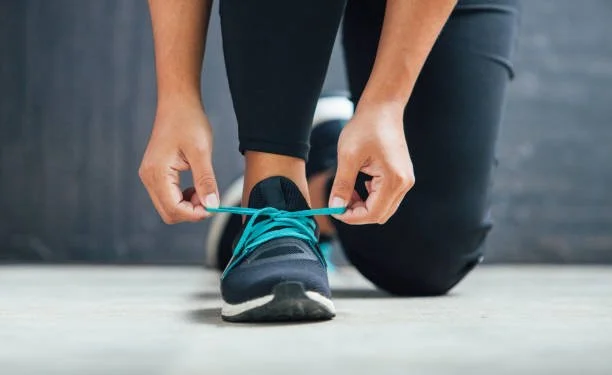
I’ve taken up running at various points in my life and I’m here to tell you that the catharsis is real.  Grab yourself some solid sneakers (preferably you have access to a great fitting specialist like the folks at Aerobics First), dress for the elements and then let the gentle pitter patter of your feet set pace to move your body and mind through a rhythmic flow of an easy-going run. 

Some of the best conditioning I’ve ever been in has included a very simple, very short run break. I used to take ‘run breaks’ the way some people take ‘coffee breaks’ . I’m a big fan of ‘something is better than nothing’ and if 5 minutes is all I have, then I won’t discriminate against the time I don’t have to insert what I can do (or at least that’s what I’m telling myself as I write this blog post - ha).  

Over the years, I’ve done lots of different types of run training for simply the pleasure of a good run, small races to long distance.  Distance run training for a few ½ marathons provided me with a good education on my muscle imbalances and healthy running form.  While the beginner runner can deal with a myriad of ‘sore spots’, often the main culprit lay in recovery issues. 

Here are some general factors that will influence your running experience:

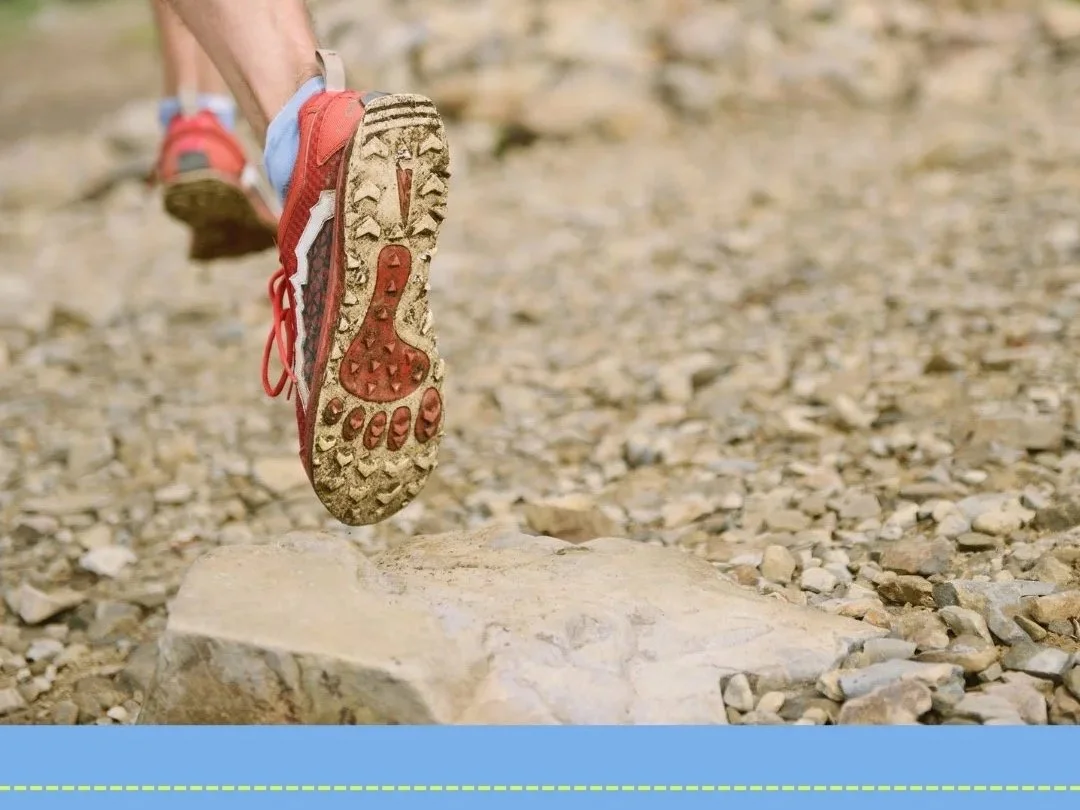
-     Running surfaces.  Different surfaces have different pros and cons. Sidewalks are typically the hardest, most dense concrete so if it’s safe do find time on asphalt pavement where traffic is not abundant and if in doubt run in the opposite direction of traffic so you can always keep your eye on what’s ahead.  Give yourself access to trail.  Many runners find trails more comfortable and I would argue they are simply a softer, kinder terrain for the running body. However, actual evidence on injury prevention is mixed when it comes to whether trail is better than road options. At the end of the day, it’s important to listen to your body and make slight adjustments to your posture and stride to maximize comfort no matter what terrain your running on….trail running will always have our vote for the added benefit of forest bathing and the natural escape it provides from our city lives.

-     Mind your shoebox!  That is…get a good running shoe.  If it’s a new shoe for you, spend some time breaking your sneaker in on a treadmill or around the house.  When you're not running, it’s equally important to select smart footwear that’s not going to squeeze your joints.  Your feet are the architectural foundation to the rest of your body so it’s important that they ‘breath’ & feel good before you start loading them with a running activity.

-     Dress for the elements.  If it’s cold, work with thermal layers and if it’s hot than shorts and a t-shirt should be fine but likely a good, breathable ball cap to protect your head from the sun.  If it’s too hot than perhaps keeping your runs to the early morning or late evening will work better.  Always, keep yourself visible in low light/dark times of day. 

-     Get with the program!  Or a running group or buddy.  Especially if you plan on training for a long distance.  The wonderful thing about running is that it can be a lovely solo sport and space in your day to clear your head, but it can also be joyously motivating to share your runs with others.  I always prefer to keep at least one of my runs as part of my social calendar during the week. 

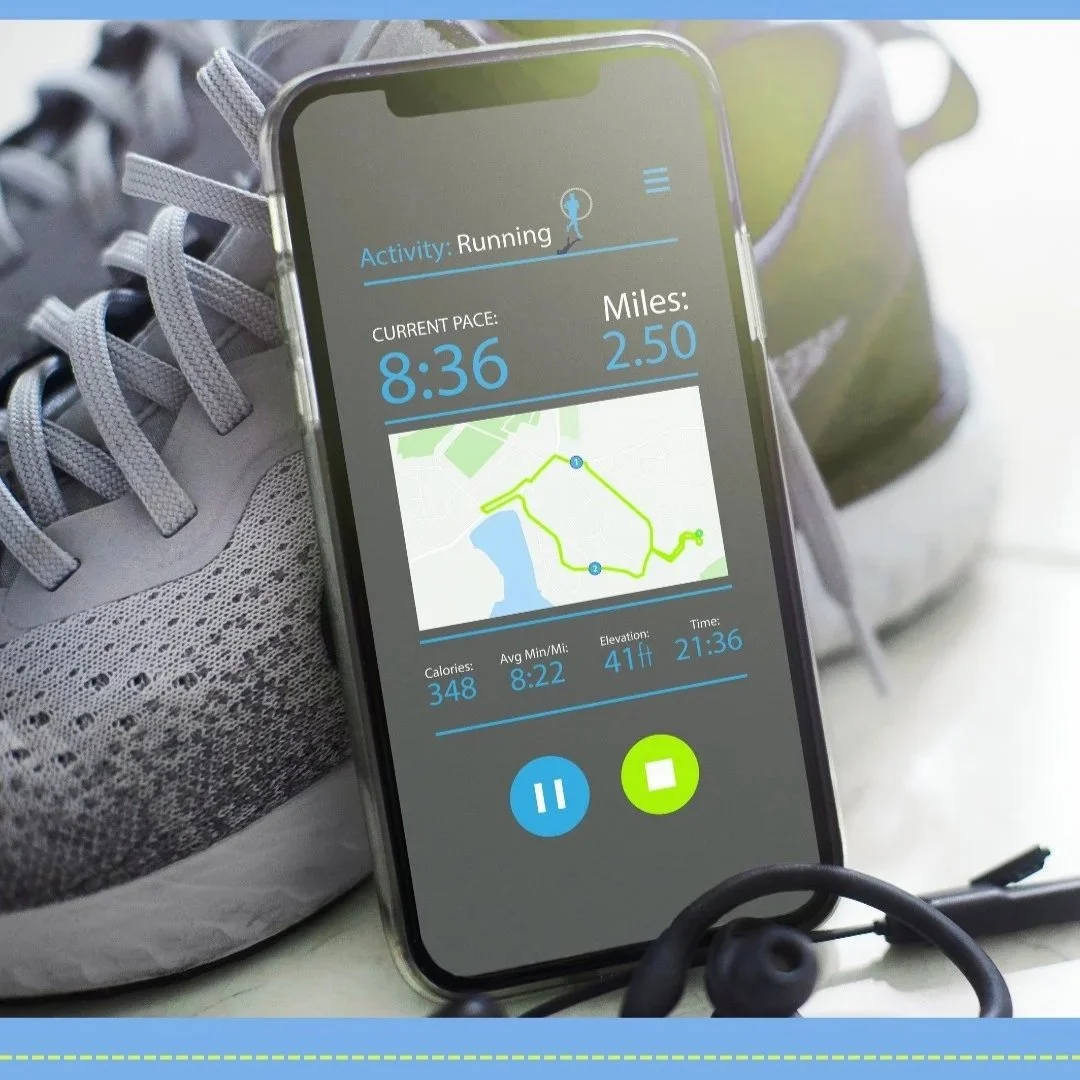
- Another way to ‘program’ is by using apps. Apps can be a great way to track your time, distance, heart rate and many other variables. The Nike Run Club (my current app of choice) has a free guided program that can be great for just getting back into running or you could explore Strava’s sister app, Runna for more serious run plans.

-     Keep it conversational.  Especially, when it comes to your general recovery runs and long runs. Running will get your heart rate up and that’s a great way to massage your cardiovascular system.  However, just as massages can be too deep, runs could also strain your cardio system.  As a general rule, you should be able to hold a playful conversation with your running buddy during a run.  This means your heart is circulating the oxygen effectively throughout your body and your heart muscle is pumping at a good rate.  There are specific forms of training that challenge your body such as hills, speedwork, long and Fartlek runs (yes, I said Fartlek) that help stretch lung capacity, strength and endurance. While some of these are generally best practiced with a guide, they can still be self-coached and calculated as part of a well established, diverse and fun training program.

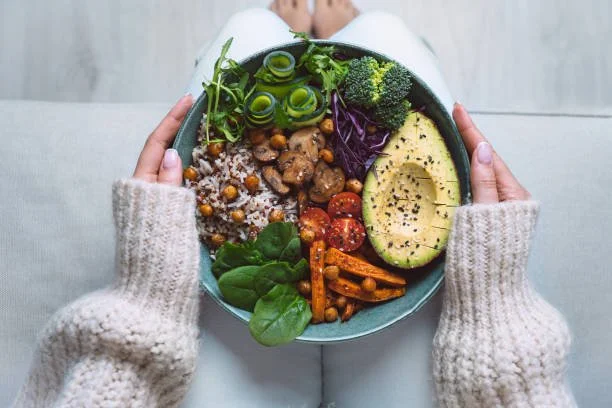
-    Body fuel.  Food is a such a huge component of how we recover.  Making sure your getting all your nutrients, staying hydrated and avoiding hyper processed foods is generally just health wise for everybody regardless of activity.  If you’ve increased your activity load and are feeling the cost outweigh the benefits then exploring food fuel may prove fruitful.

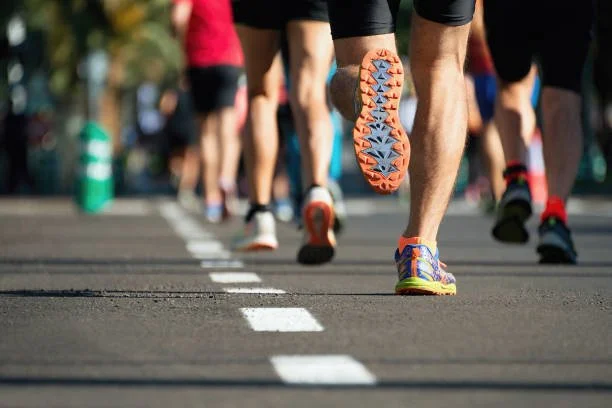
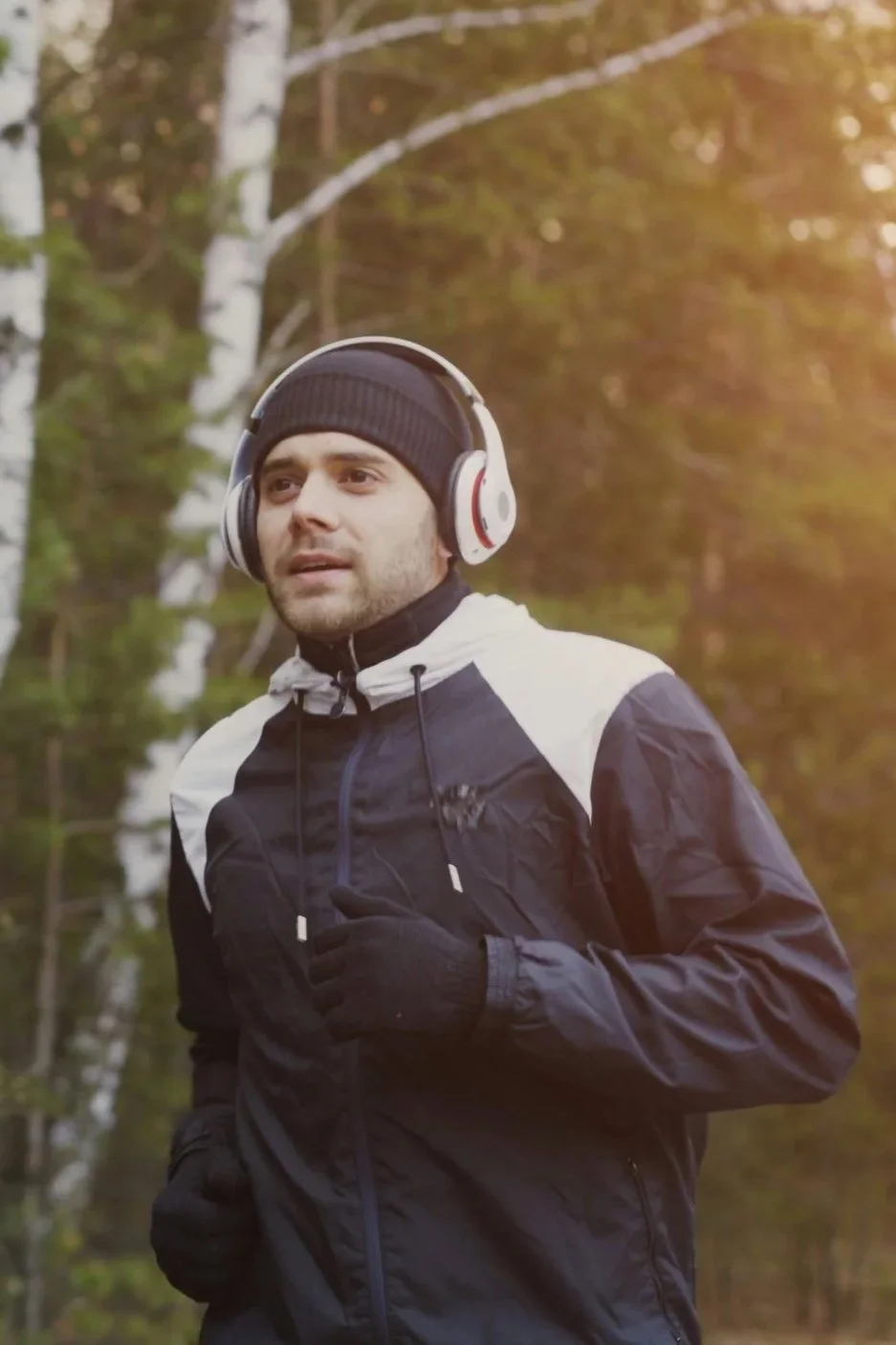
photo credit: Vitaly Gariev

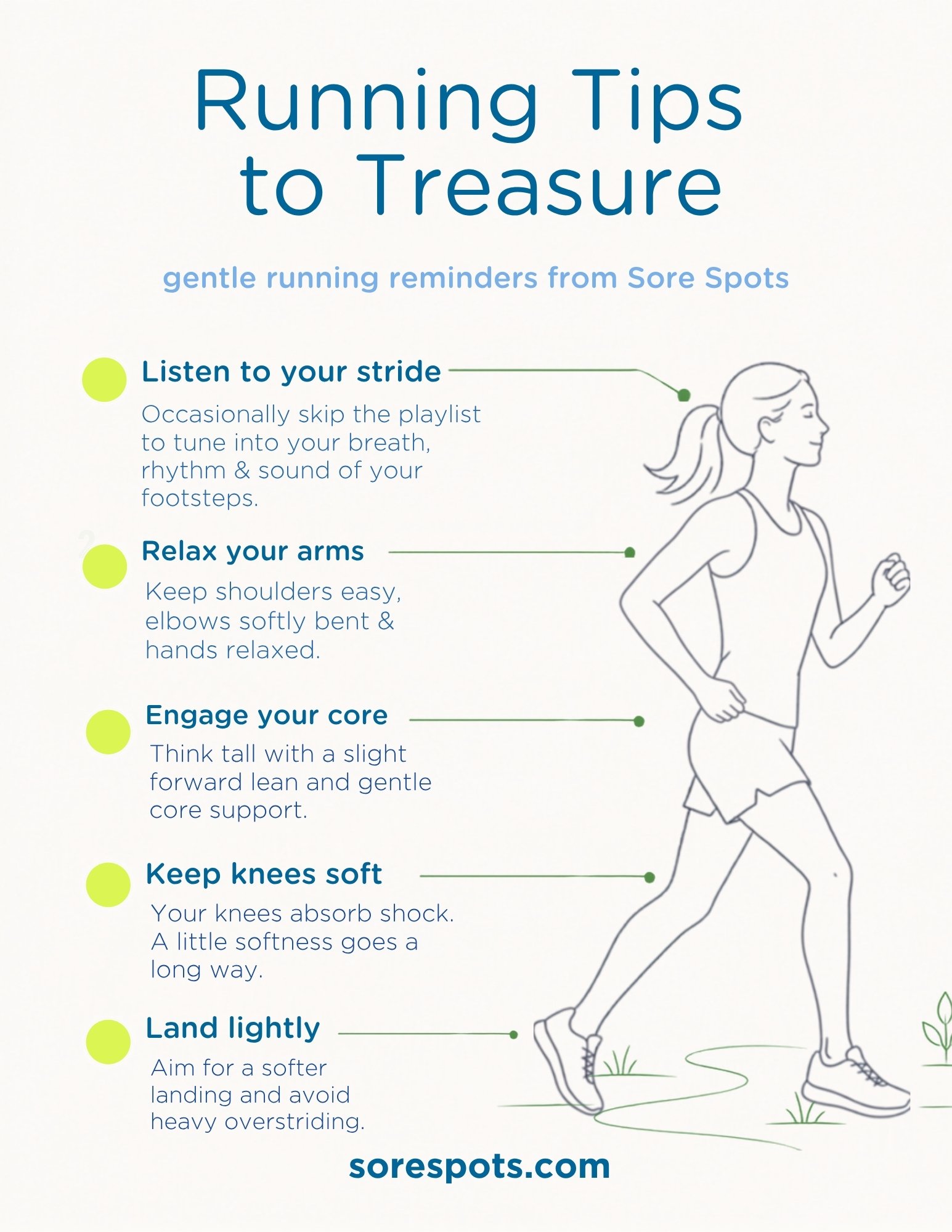
-     Listen. If music gets you going, absolutely — put on your favourite playlist and let it carry you out the door. But every so often, try running without it. Let yourself hear the cityscape, the landscape, your breath, and the rhythm of your feet on the ground. Are you landing heavily? Are you a loud runner? Could you soften your knees, lighten your foot strike, or find a quieter rhythm? The sound of your steps can offer simple, intuitive feedback about your running form. A softer, quieter stride may help you feel more efficient, more aware, and more connected to how your body is moving.

Sometimes the body whispers before it complains. Listening is part of the practice.

- To go barefoot, or not to go barefoot? I became more interested in running mechanics when barefoot aka minimalist running became a big trend in the early 2010s. At the time, I was seeing runners in clinic who loved this style of training, but I was also seeing a fair number of injuries from people making the switch too quickly.

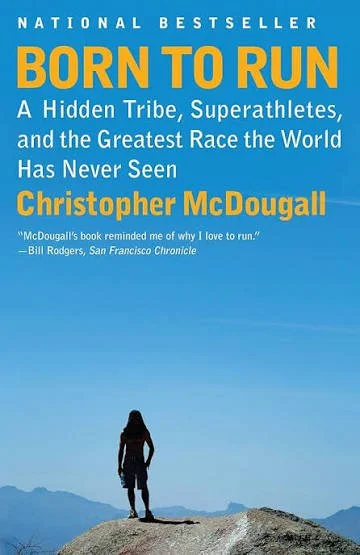
After reading Christopher McDougall’s Born to Run, I understood the inspiration. But I also worried about how that inspiration translated to everyday runners who don’t spend much time barefoot in daily life, then suddenly ask their feet, calves, and lower legs to absorb a high-demand activity. You can see the dichotomy.

We could run around in circles debating minimalist running, so I’ll simply say this: the trend kept massage therapists busy. While I’m cautious about recommending it broadly, I do think there is biomechanical wisdom we can borrow from barefoot running — especially around foot strike, cadence, landing softly, and listening to how our bodies meet the ground.

Here are a few technical running tidbits to treasure as you make a run for it:

Keep your feet in mind. Do they feel heavy? Where are they landing? Ideally, your foot strike lands somewhere between the midfoot and forefoot, without excessive overstriding. A hard, heavy heel strike can act like a brake — slowing your momentum and loading your joints more intensely than needed.

Keep your knees soft. After your feet, your knees are one of your first points of shock absorption. “Runner’s knee” is a common complaint, though it often has as much to do with hip strength, control, and mechanics as the knee itself — but I digress.

Keep your pelvis and core engaged. Good running form often feels like a controlled “almost falling forward.” This encourages a lighter stride, helps keep you moving over your feet, and asks your core to participate so you don’t, in fact, actually fall forward. If you experience hip pain or low back discomfort while running, this may be an area worth paying attention to. A pelvic floor physiotherapist or classically focused Pilates teacher can also be helpful for building better kinetic awareness.

What about your arms? Keep your shoulders relaxed and avoid twisting your arms across your body. That kind of movement wastes energy and creates unnecessary tension. Aim to keep your elbows softly bent, your hands relaxed, and your swing easy. If your neck or upper back starts to tighten, notice your arm swing, your pace, and your breath. When we push too hard, we often start breathing more from the chest and neck, instead of letting the diaphragm do its deeper, steadier work.

Running has always been a safe place for me to return to — a way to find adventure, add variety to movement, and clear out a cluttered headspace.

My hope is that you find a gentle, joyful bounce in your own run. That you keep the fun in the run and protect the medicine in the movement. A rhythm that feels good. A stride that supports you. A little bliss each time you set out in motion.

Because in the long run, “motion is lotion” only when we find a healthy stride — one that helps us enjoy life’s pace, both on and off the trail.

Paddles up, people!

kayak blog.png

The pursuit of sport can provide us with stress release, improved heart health and overall physical vitality.  So we are dedicating our next few blog posts to individual sports that many of our clients make mention of as we explore what activities make up the tension pattern (both good & bad) that rests within their body.  As much as sport is great for stress reduction, it can also come with it’s own sore spots!  Many sports require some type of cross training in order to execute your sport of choice with greater comfort and skill.  Solo sports also appeal to my own introvert nature but also allow me to sync up with others to enjoy a team-inspired, community atmosphere.  It’s really the best of both worlds in any measure that suits my mood or the season. 

At one point in Sore Spots history, I was curious about the work of massage therapy within a multi-disciplinary clinic model so I went to work for one.  Working alongside physiotherapist and chiropractors I affirmed my role as a massage therapist could both provide rehabilitative and restorative care.  I am forever grateful for that opportunity.  It provided me with a direct window into the world of sports injuries and athletically minded clients. 

I remember providing massage treatments for a kayaker client who was training with the Banook Canoe Club. We were focusing on active release and myofascial techniques to help with mobility and heal up a chronically strained shoulder injury.  At her follow up treatment, she remarked on her relief and mentioned she had shaved a few minutes off her training time. I recall the marked excitement as she expressed her gratitude for my care and the effective nature of massage therapy for helping her restore joint movement and improve her athletic ability. 

Fast forward to present day Sore Spots practice.  We see all sorts of athletes, weekend warriors and simply clients just keen on keeping their physical health and wellbeing a priority.  So paddles up, people!  If you’re a kayak or canoe enthusiast this one’s for you!  Here’s the thing.  Even if your sport is not ‘in season’ you can still practice some caring conditioning to strengthen the movements required to propel you into a healthy season of paddle paradise. 

To explore this world of water sport, I spoke to my friend Eleanor Kure who is a Halifax based Paddle Canada certified sea kayak instructor and teaches loads of group and individual workshops.  Eleanor is no stranger to injury and has an experienced perspective on the importance of healthy skill development when it comes to paddling smart.  Eleanor brings up 3 key skillbuilding challengings when it comes to beginner paddlers:

1.     The thing about kayaking is that a good paddler uses their core and torso rotation to move the paddle, not their arms.  Arms do get used of course but ideally they are not the main source of strength.  So working on core stabilization in your cross training and learning how to properly engage your back muscles will really benefit your kayaking experience overall.  Working with a kayak instructor is a great way to ensure your paddling with healthy shoulder and arm positioning as well as fine tuning your overall technique. 

2.    Flexibility is really important for rolling and being able to sit with your legs splayed.  Too much paddling and not enough stretching will wear on the body.

3.    If your regular job or daily living requires that you sit down for long hours or perhaps you have to drive for long hours?  Make sure you cross train with hiking, yoga stretches or pilates.  Kayaking is fun but you also want to make sure that if your work life requires a lot of sitting that you also combine activity to offset prolonged seated work – whether that’s related to your job or your sport of choice (or both).  Phasing in a standing desk a little bit every day might also help.   

Whether you paddle in a canoe or prefer water time in a kayak, I think we can all agree that time on the water is a quiet blessing.  A little bit of strength and stretch work with the goal of getting back in the boat this season will go a long way in helping you find your flow and row, row, row.  Keep calm dear friends & paddle on. 


Tips for adventure in Halifax!

Whether your having a ‘staycation’ or travelling to Halifax for business or pleasure, we feel your excursion into the city should carve out time for adventure, curiosity and simple, joy filled leisure activities. 

Here’s a mix of things to put on your list!

Take in the Halifax city line and sunset with a walk on Citadel Hill or maybe a skate or roller blade on the Emera Oval.  I love walking barefoot in the Summer on the upper perimeter of the Citadel and it’s a local favorite to take a free skate at the oval in the winter. 

While your here do check out our cozy Halifax Keith’s Brewery Farmers Market.  A long standing market with a boutique but traditional market ambiance that helps support many of our local, small-scale farmers & artisans.  Be sure to explore every nook and cranny….just when you think you’ve covered all the rooms you’ll find a courtyard with a local musician to serenade you into the sunshine. 

Not too far from here, you can also check out the Seaport Farmers’ Market located in a restored warehouse that was converted and incorporates energy and water saving measures as well as a green roof that is open as a publicly accessible rooftop garden. 

Do explore life in the city along the Halifax waterfront boardwalk.  It seems that every local has a childhood memory that includes our iconic waterfront wave sculpture (seen above).  A beautiful icon to represent our east coast lifestyle.

Towards the end of the Halifax waterfront you will find the ferry terminal to Dartmouth!  For $2.50 you can take the Alderney Ferry to explore the romantic city scape that is Dartmouth.  Dartmouth is the City of Lakes and a favorite for down to earth, family friendly, outdoor loving folk.  Littered with boutique shops and services, you can also take an art walk and find yourself at Two if by Sea for a indulgent treat and maybe an anchored roasted coffee too.  Across the street you’ll find the Quaker House and if you still have energy be sure to pass by Sullivan’s Pond (a 1 km loop) ~ a historic part of the Shubenacadie Canal Waterway system. From here, pop over to Lake Banook for a quick swim or skate on the lake depending on what season you find yourself in. 

If your still gathering ideas on how to make the best of your ‘staycation’ remember that nothing says rest and relief for your travelling tension like a proper therapeutic massage to relieve your mind, spirit & sore spots too!  You may also get some help from some of our favorite on-line travel assistants @myrth or @kayak.

Below is just a simple shoutout to one of favorite downtown Dartmouth dogs! You know….because, why not! We love @tully_girl.

IMG_4479.jpg

Massage for Children

Children are nurtured through touch. Massage therapy is a great way to start introducing kids to relaxation concepts as well as helping with tension and anxiety.

What is it?

Children’s massage offers soothing hands-on care by way of gliding massage strokes, gentle compressions & stretches, low grade joint mobilizations and breathwork. Here at Sore Spots, we always say that massage therapy treatments are a great space to practice advocating for your body & that’s certainly no different for children. RMT's working with children here at Sore Spots also teach basic concepts of breathwork, self care movements, self massage as well as on-going healthy touch dialogue and consent with our pediatric patients.

What are the age requirements for Massage for Children?

They are never too young to receive massage therapy care, but here at Sore Spots we will work with ages 3 & up. Earlier than age 3 and our platform for treatment falls under baby massage. As a team of RMT’s we love teaching some basic baby massage techniques to our parents for colic or sinus troubles but if you feel your baby would benefit from massage therapy we advise seeking the advice and treatment of an Osteopath.

How long should I book a treatment for?

For ages 3-6 we advise a 30 minute session to start. Your RMT may suggest trying our an initial session on one of our cushy Sore Spots Stretch Mats & keeping your little person fully clothed during the first session. This first session could include playful breathwork, playful self care movements, guided self massage and soothing massage movements and techniques from the providing Massage Therapist.

For ages 6-9 we also recommend an initial 30 minute treatment. In this age range we want to ensure your child’s interest and comfort during treatment is maintained. Future sessions may be longer.

For ages 10-13 you may book an initial treatment upwards of 40 minutes.

Massage therapy treatments are adapted based on the age category of your child so we ask for 48 hours notice for all bookings so that we may also screen over the phone to fine tune your child's session goals for care.

Set your child up for massage therapy success!

  • Make sure you talk about your massages and how they helped you

  • Tell them if they are interested that they can have their massage through their clothing, & on a cushy floor mat or on a soft table

  • Specifically ask your child if they would like to receive a massage ~ it’s important that they say yes and ok if they say no

  • Ask them if they want to come watch you receive a massage (make sure to tell your therapist first and only do this if you also feel comfortable and can receive quality care while they are around)

  • We also would like to stress that if your child shows up for treatment and does not want to receive treatment at the time, we will waive any last minute cancellation fee. At Sore Spots, we believe, it's very important that we teach healthy touch consent concepts to kids and understand that once in clinic, some children may change their mind around receiving massage therapy care & that's ok.

  • Administrative Tip! If your booking on-line, please create a family account in our booking system & add your child as a ‘relationship’. This makes it easier long term as you’ll only need to login under one account to manage appointments for the whole family.

Once you have booked your child’s massage, please email hello@sorespots.com to indicate your bringing your child into session, the age of your child and any particular reasons that have prompted your booking. We require that a guardian attend and stay in treatment for the first appointment.

Relieving the mind, spirit & the littlest sore spots too!

Ice vs Hot ~ which one do I use?

Ice vs Hot ~ which one do I use?

Important Stuff! When NOT to use ice or cold?

When absolutely NOT to use cold? If you have Raynaud’s disease or are simply unable to physically relax into the cold sensation of ice. If the latter is true for you, than you might benefit from contrast hydrotherapy ~ more on that later.

When absolutely NOT to use hot? If you have a lot of swelling or heat in the area already - ice is best. Also, watch out if you have an ear infection as heat around the neck and upper back is not recommended.

You better sit down for this...

You better sit down for this...

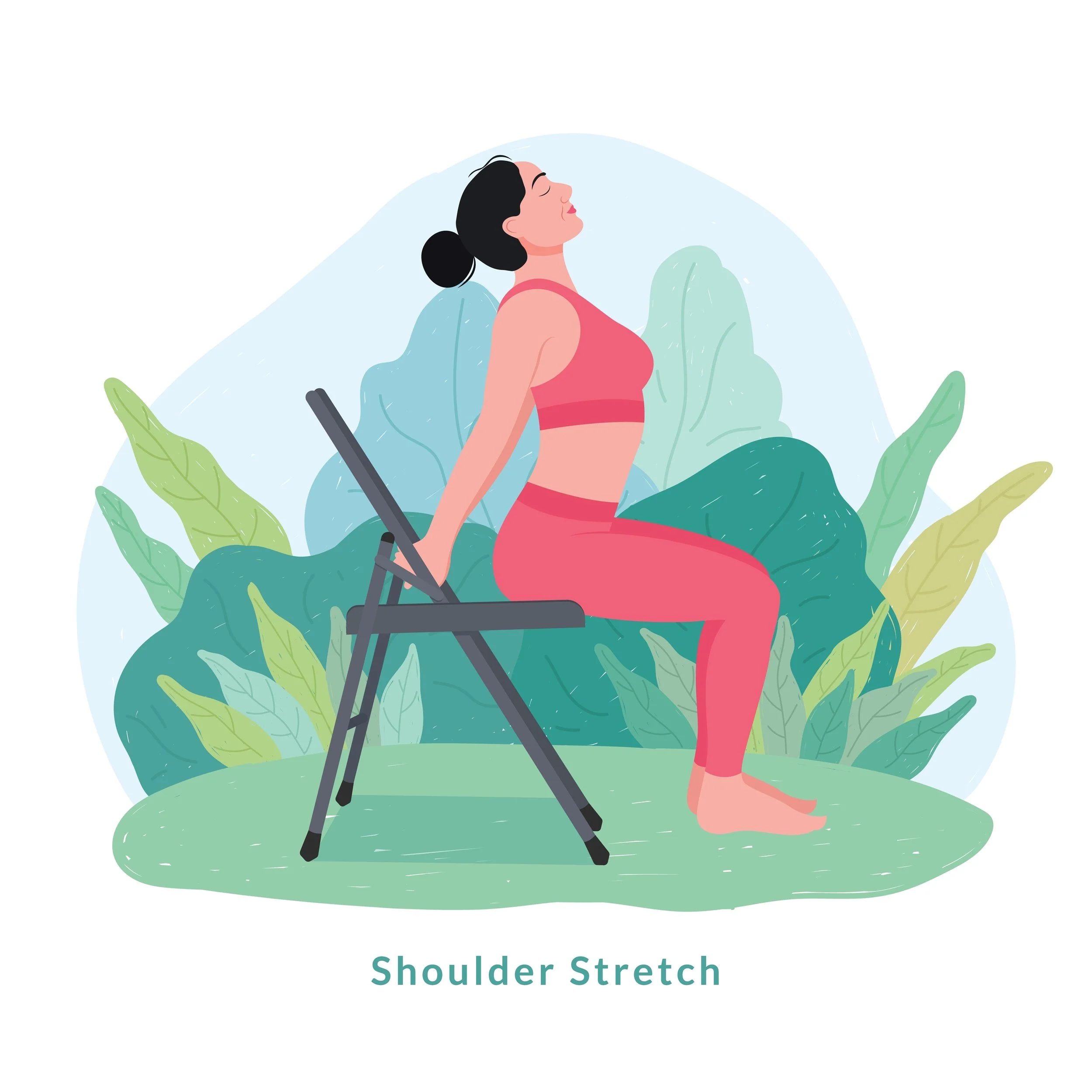
The holiday season can be a stressful time of year & that's why we are hosting small (limit 5 people per class) by donation chair yoga classes at our Dartmouth clinic until the New Year.  Proceeds will go to the Gottingen Street chapter of the Mental Health Association of Nova Scotia because everybody 'kneads' support this time of year and mental health causes are near and dear to our sore spots heart.